Your Dog's Enthusiastic Welcome: Could It Be a Sign of Separation Anxiety?
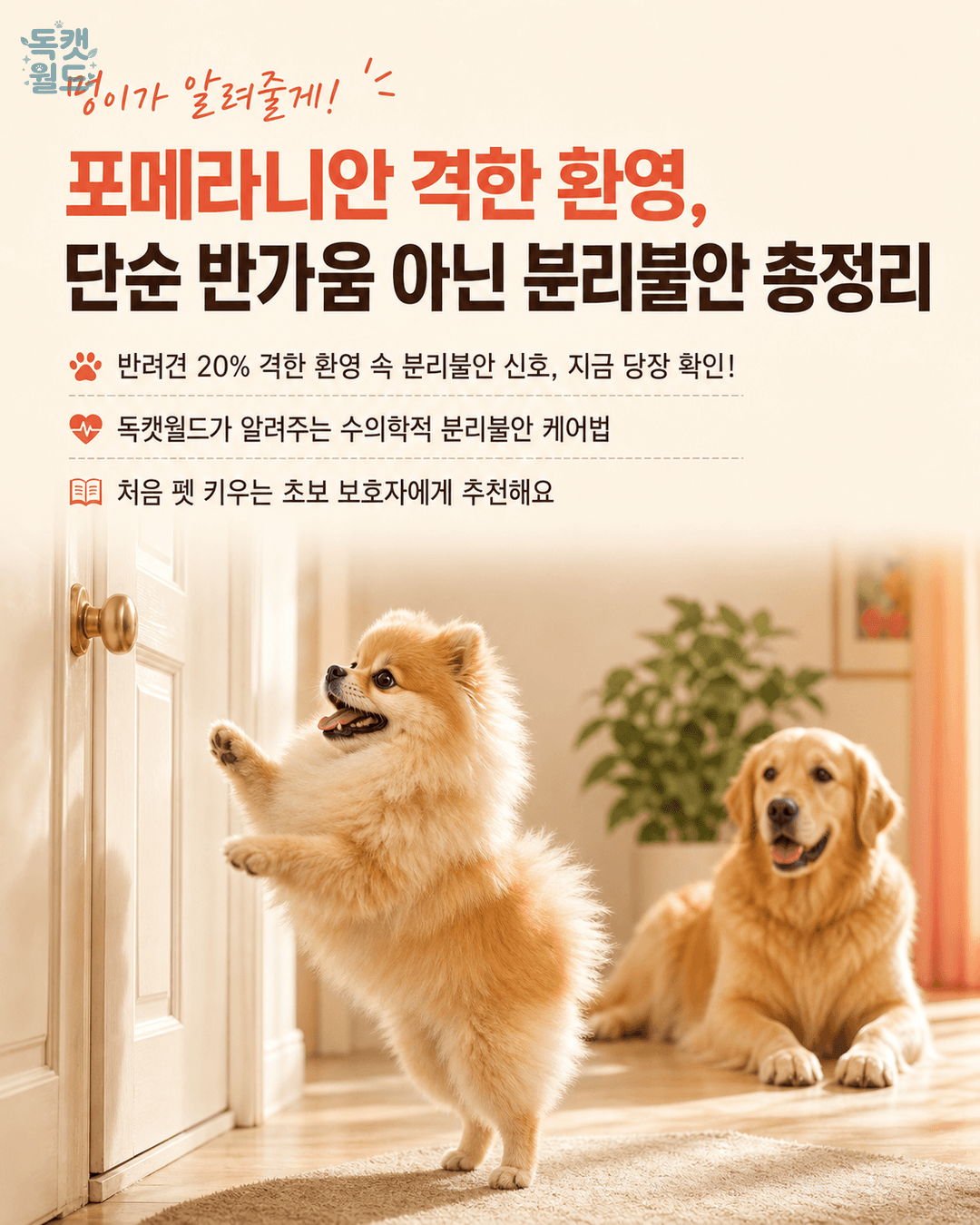
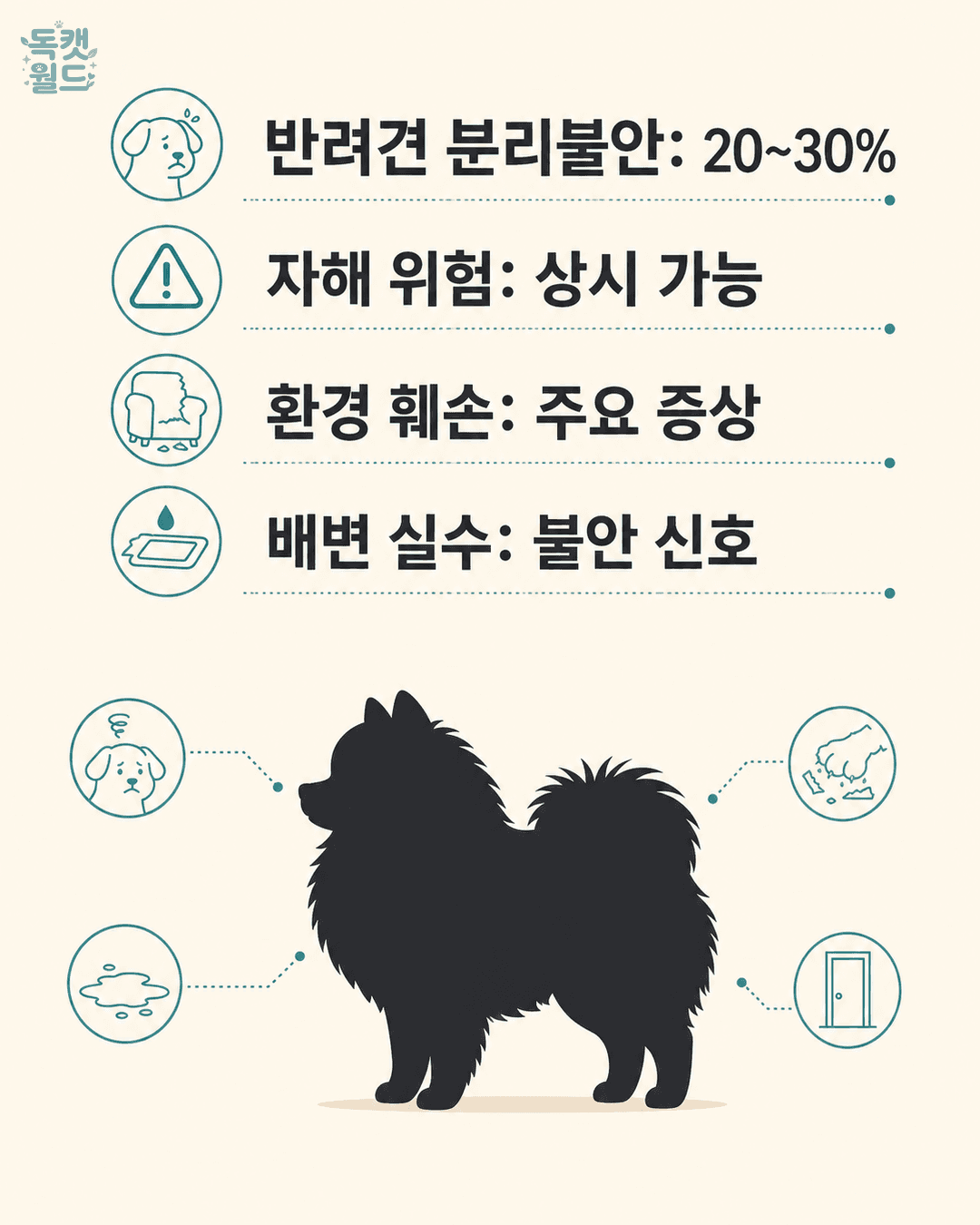
Let us guide you! When you return home, does your dog greet you excessively, as if the world ended and then began anew? While this enthusiastic welcome is incredibly endearing, it can be a subtle sign of separation anxiety, beyond simple joy. In fact, research shows that 2-3 out of 10 dogs may experience symptoms of separation anxiety. DogCatWorld will provide detailed information, based on veterinary facts, about the anxiety dogs experience when their guardians are away and the various behaviors that result.
Care Guide
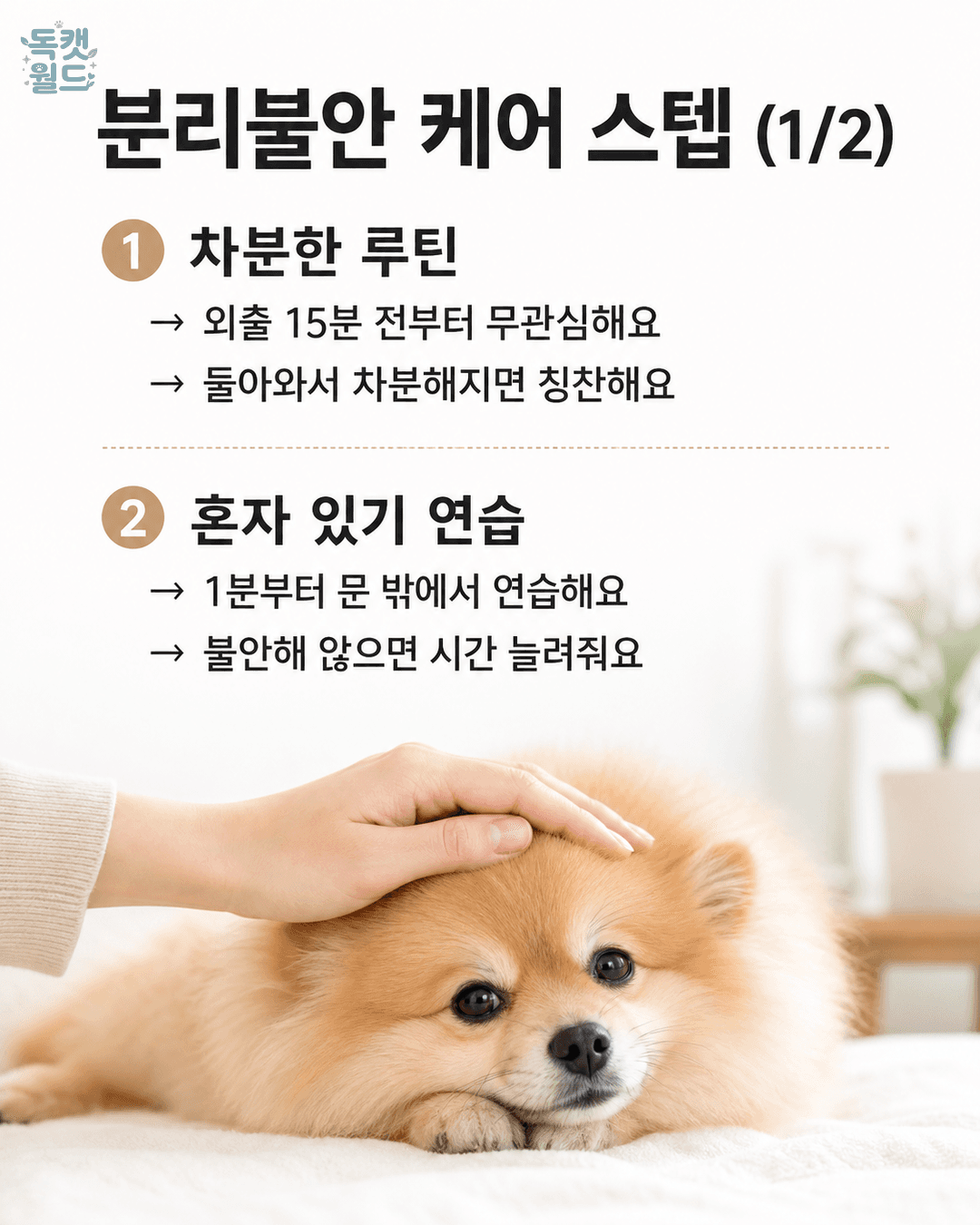
- 1Create a calm departure and greeting routine.It's important not to give your dog any special attention 15-20 minutes before you leave the house. This makes leaving seem like an everyday occurrence, just as we don't give special goodbyes when we go to work. The same applies when you return. Even if your dog greets you excitedly, calmly ignore them for the first 2-3 minutes. Once your dog has calmed down and is relaxed, gently pet and praise them. This helps reduce the emotional fluctuations your dog experiences regarding your absence and return.
- 2Gradual training for alone time.The key is to train your dog to accept alone time positively. Start by practicing stepping outside the front door for a very short period (1-2 minutes) and then returning. This is similar to a baby believing that their mother will return soon even if she steps away for a moment. If your dog doesn't show anxiety, gradually increase the time. This training is essential for your dog to progressively accept their guardian's absence and learn that it's okay to be alone. This process should be done slowly to be effective.
- 3Create positive associations with alone time.Right before you leave, provide your dog with a favorite toy (e.g., a snuffle mat or puzzle toy filled with treats) or a long-lasting chew. It's important for your dog to associate alone time not with boredom or anxiety, but with fun and tasty rewards. Through this method, your dog will learn that being alone is connected to enjoyable rewards. However, it's recommended to put away these toys or treats when you return.
- 4Provide ample physical and mental stimulation.To prevent your dog from being overly energetic or bored when alone, ensure they expend enough energy through sufficient walks and play before you leave. This is similar to how people relax comfortably after exercise. Engage them in activities like long walks, tug-of-war, or fetching, and stimulate their minds with nose work or puzzle toys. Sufficient activity helps reduce your dog's anxiety and allows them to rest calmly while alone.
Pro Tips
Consider using pheromone products.
Veterinarians sometimes recommend synthetic pheromone products (e.g., diffusers, sprays, collars) that can help reduce a dog's stress. These pheromones are similar to the calming signals a mother dog sends to her puppies, helping your dog feel psychologically secure when alone. Always consult with your veterinarian before use to ensure the product and usage are appropriate for your dog.
Create a safe and comfortable 'sanctuary.' It's important to provide your dog with their own space where they can feel secure when alone, such as a cozy kennel (crate) or a dedicated dog bed. This space should be where your dog feels comfortable and safe, encouraging them to rest there when you're away. It's like having your own personal space to rely on when things are tough.
Observe your dog's behavior while alone.
It's important to meticulously monitor your dog's behavior when you're not home by installing a CCTV or home camera. By understanding barking duration, the extent of destructive behavior, and instances of house-soiling, you can objectively assess the severity of separation anxiety. This provides accurate information to your veterinarian and greatly assists in formulating an appropriate behavior modification plan.
Provide your dog with a predictable routine.
Regular meal times, walk times, and play times give your dog a sense of stability. A predictable routine helps your dog know what will happen next, reducing anxiety. It's like how we feel stable when we eat and sleep at set times. Routine plays a crucial role in your dog's psychological well-being. Sudden changes can make your dog more anxious.