Dog Separation Anxiety: Make Alone Time Enjoyable!
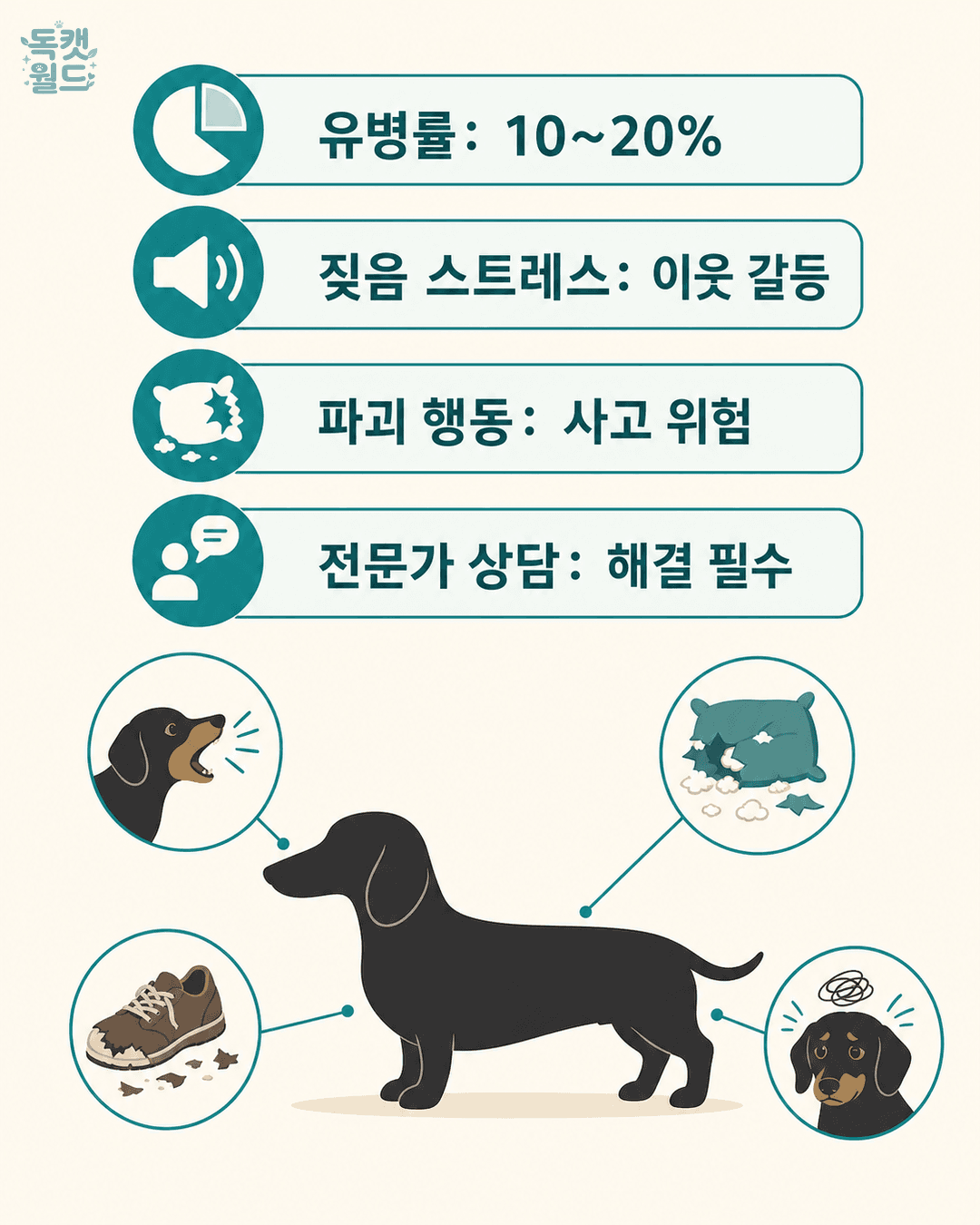
⚠️ Warning Message ⚠️ If dog separation anxiety is left untreated, it can lead to increased mental stress, destructive behaviors, and self-harm, severely impacting your dog's health and safety. It is crucial to seek professional help immediately. Separation anxiety is a state where a dog becomes severely anxious when their guardian is absent. Veterinary experts report that approximately 10-20% of all dogs experience separation anxiety. This places a significant burden on the dog's mind and can manifest as various behavioral problems in severe cases. Through the easy methods suggested by DogCatWorld, help your beloved dog feel comfortable and happy even when alone. Both your furry friend and you, the guardian, can find happiness!
Care Guide
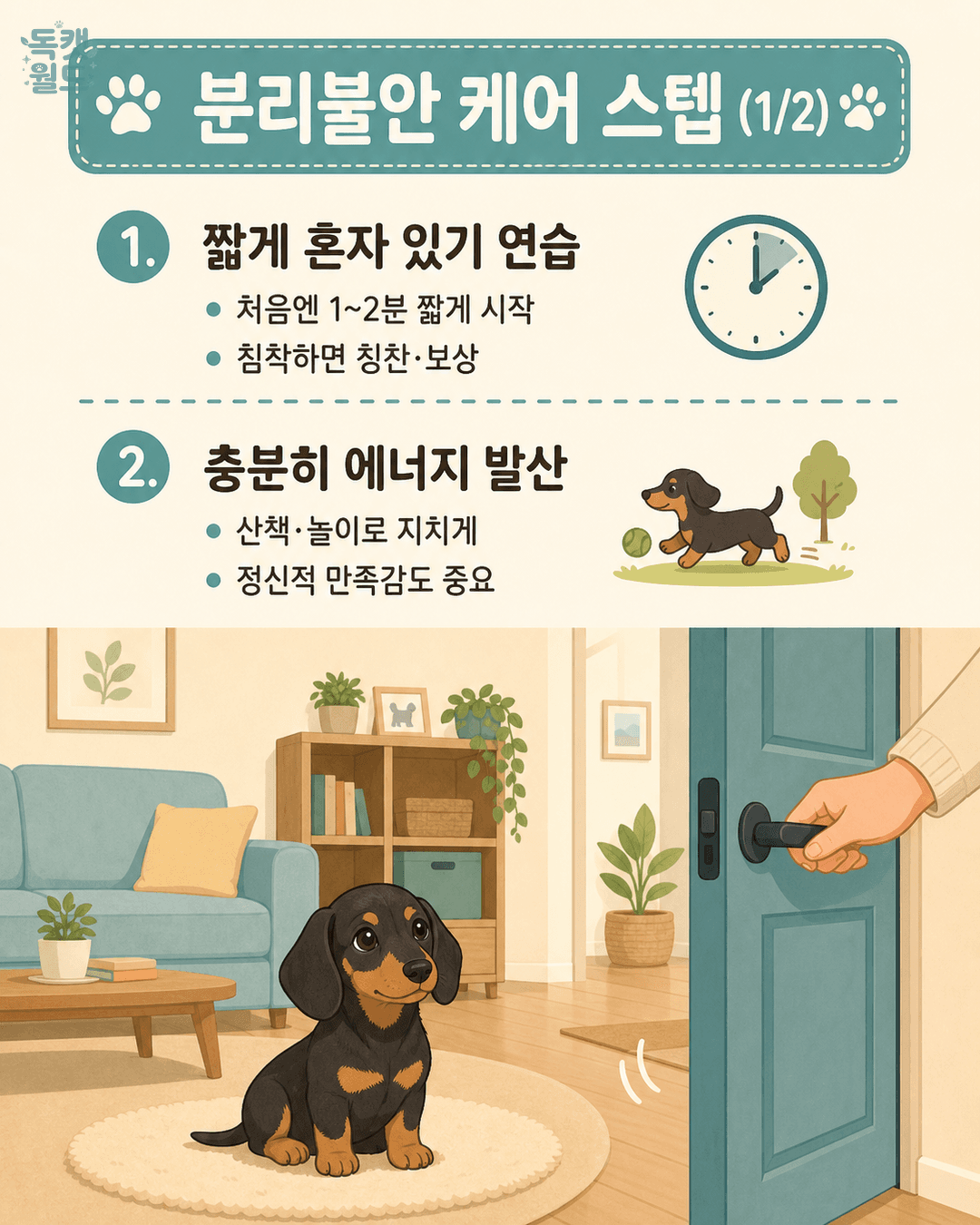
- 1Practice leaving your dog alone for short periods.This is a very important training to teach your dog that 'alone time' is okay. Start by separating from your dog for very short durations, like 1 minute or 2 minutes, and immediately reward them with praise and treats if they remain calm. It's like how we don't start with difficult moves when learning a new exercise. Gradually increase the alone time, helping your dog feel comfortable is key. If your dog shows signs of anxiety, you should shorten the time and restart.
- 2Provide ample physical exercise and mental stimulation.A dog that is physically and mentally tired may feel less anxious when left alone. Before going out, ensure your dog gets sufficient walks or engages in activities like fetch or nose work (exploratory play using their nose) to expend energy. It's similar to how people feel tired and sleep better after exercise. These activities not only involve physical movement but also engage your dog's concentration, providing mental satisfaction. The amount of activity a dog needs varies by breed, age, and health condition, so consulting a veterinarian for recommendations is advisable.
- 3Create a comfortable and safe personal space.It is essential to create a safe and comfortable space specifically for your dog. A kennel (crate), a dedicated dog bed, or a quiet corner with a cozy blanket are good examples. This space should become a 'sanctuary' where your dog can retreat when feeling stressed. Just as we need our own space to lean on when we're struggling mentally. Associate this space with positive experiences (treats, toys). It should never be used as a place for punishment.
- 4Avoid excessive reactions before and after leaving.If you greet or react too excessively when leaving home or returning, your dog may perceive your absence and reunion as more significant. This can make alone time even more difficult for them. It's similar to how adolescents might reject excessive parental attention. Start to ignore your dog about 5 minutes before leaving, and upon returning, wait until your dog calms down before quietly petting them. This helps your dog see your departure as a normal, everyday event.
Pro Tips
It is crucial to understand your dog's calming signals (behaviors they use to calm themselves when anxious). Yawning, lip-licking, averting gaze, and shaking off are typical examples. If your dog exhibits these behaviors, it's a sign of stress, and you should immediately improve their environment or adjust training intensity. Recognizing these signals early can help prevent separation anxiety from worsening.
Establish a predictable daily routine for your dog.
A regular schedule for meals, walks, and bedtime helps reduce your dog's anxiety. It's similar to how young children feel secure within a set daily rhythm. A predictable routine helps your dog accept alone time as part of their normal day and is effective in lowering anxiety about your absence.
Consult with your veterinarian about using products with a relaxing effect.
Examples include pheromone sprays or diffusers, and supplements containing L-theanine. These products can send chemical signals that help your dog feel calm or assist in reducing stress. However, these are supplementary tools and achieve the best results when used in conjunction with behavioral training.
If separation anxiety symptoms are severe or do not improve with your efforts alone, definitely seek professional help. An animal behaviorist or a veterinary behaviorist can thoroughly assess your dog's situation and suggest a customized training plan, potentially including medication if necessary. Professional help is essential for effectively managing your dog's separation anxiety and improving the quality of life for both you and your dog.