Dog's True Love Signals: How to Strengthen Your Bond
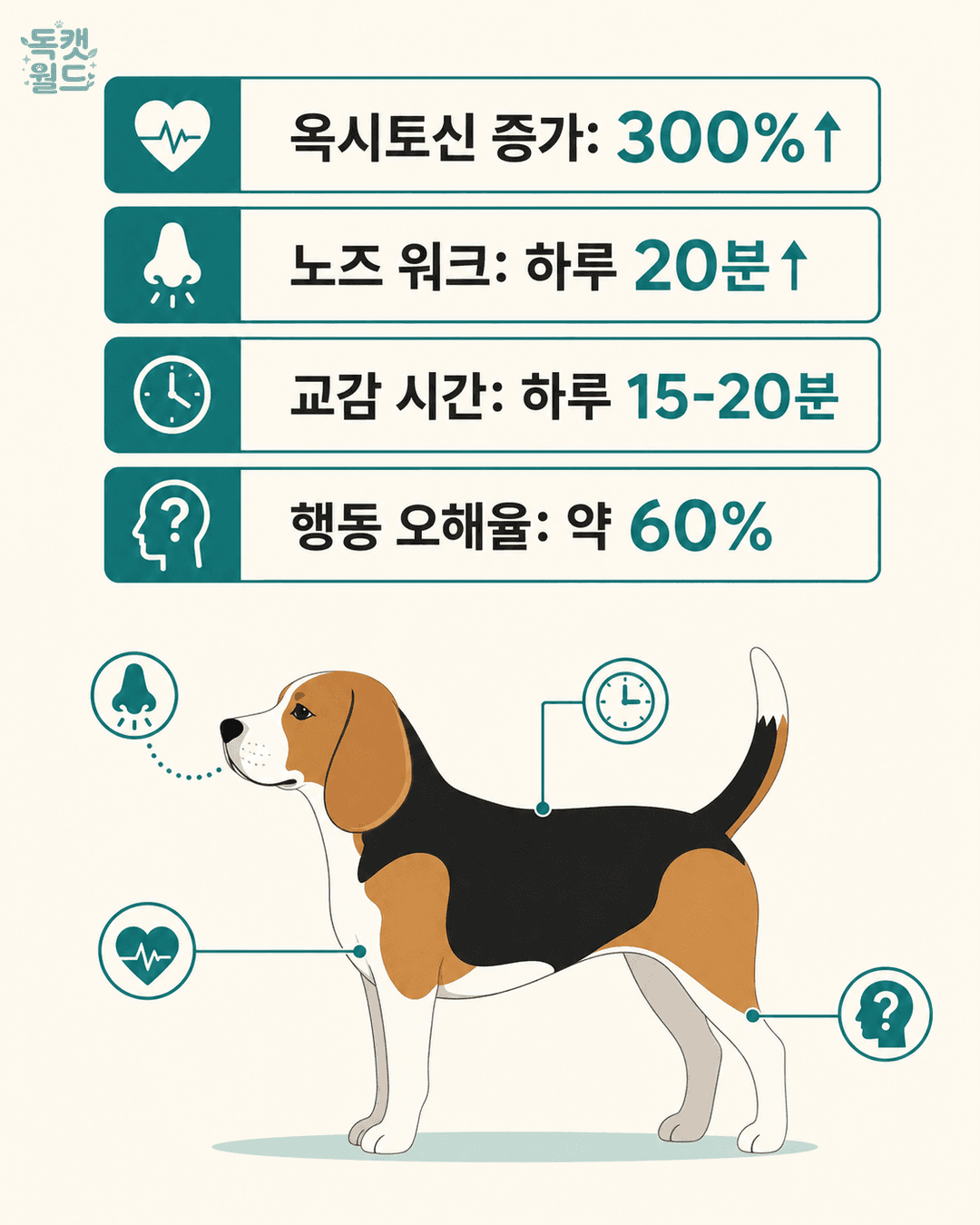
A dog's 'true love signals' are the ways they communicate their feelings to their guardians. While humans express love with words, dogs whisper 'I love you' through their gestures and actions. According to the latest veterinary research, when dogs make eye contact with their guardians, their 'oxytocin (love hormone)' levels increase by an average of over 300%. This is similar to the bonding that occurs between a mother and her baby. However, misunderstanding a dog's subtle body language can lead to miscommunication and misunderstandings. Let's learn about your dog's true feelings and how to build a deeper relationship together with DogCatWorld!

Care Guide
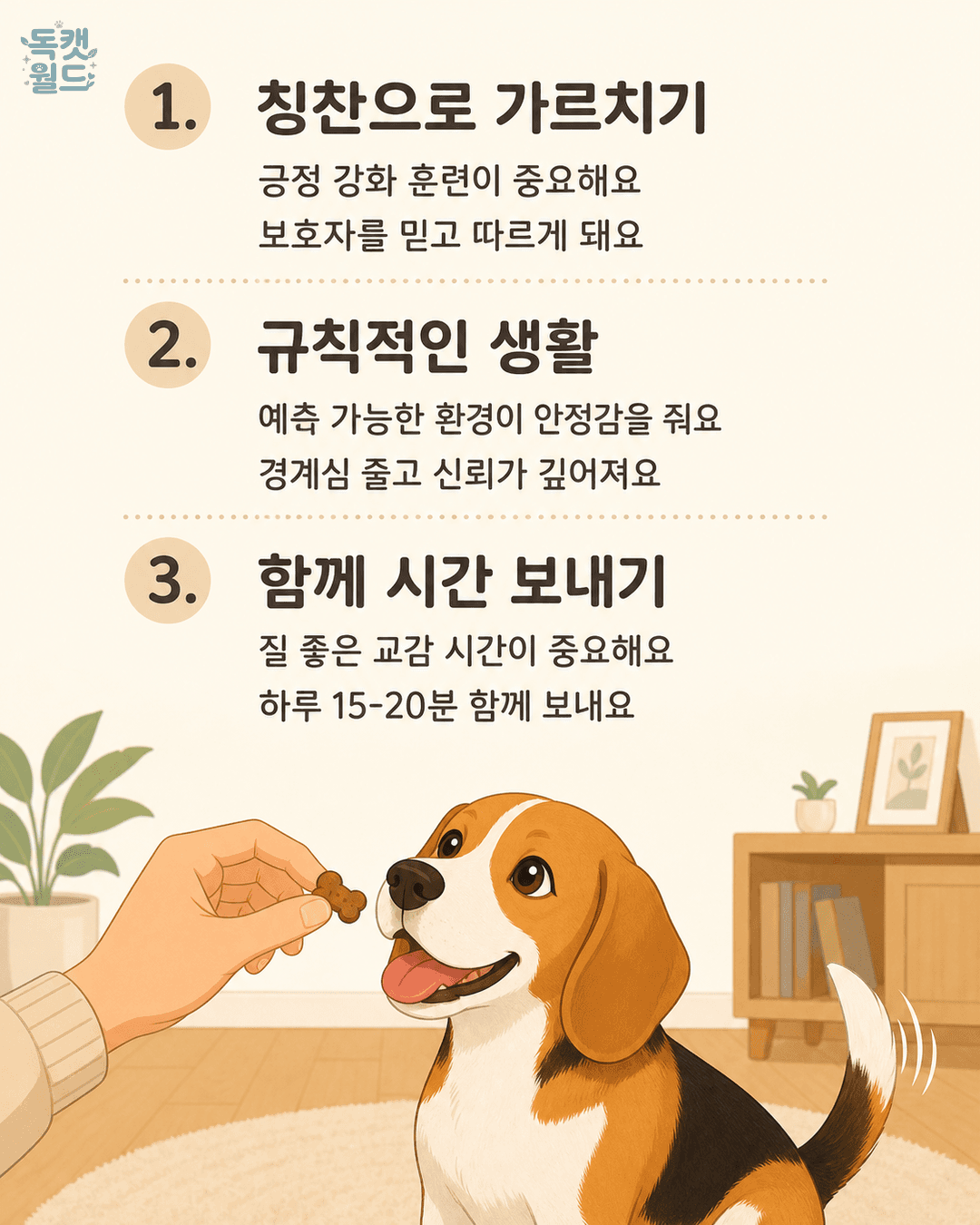
- 1Teach good behavior with praise.When your dog performs a desired action, it's essential to immediately praise them and give a treat (positive reinforcement training). Dogs remember their guardian's positive reactions and gain confidence. During training, rather than forcing or punishing, say a short 'Good job!' and offer a treat every time they succeed. Your dog will learn to trust and follow you.
- 2Provide stability through a regular routine.Dogs feel secure in predictable environments. A consistent daily routine of feeding, walking, and playing at the same times reduces a dog's cautiousness (wariness). Especially by maintaining a regular sleeping area and meal times, your dog will perceive life with their guardian as safe and comfortable. This forms a crucial foundation for a dog to develop deep trust in their guardian.
- 3Spend quality time together with sincerity.More than just being in the same space, quality interaction time is important. Spend about 15-20 minutes a day walking with your dog, playing with toys, or gently petting them. Your guardian's attention and affection increase your dog's emotional satisfaction. Through this time, your dog will feel the strengthening of their bond and express even greater love.
- 4Understand your dog's language and body gestures.A dog's tail, ears, eyes, and entire body simultaneously express a mix of emotions. For example, yawning or avoiding eye contact can be 'calming signals' (actions a dog takes to calm itself when anxious). By trying to understand these signals, you, as the guardian, can know what your dog wants and when they are uncomfortable. Properly reading your dog's emotions will make communication much smoother between you.
Pro Tips
When making eye contact with your dog, keep it gentle and brief.
Just as people feel uncomfortable when stared at, dogs can perceive prolonged staring as a threat. If your dog avoids eye contact first, do not force it; naturally averting your gaze helps build trust with your guardian.
When your dog approaches and leans against you, gently pet them and say "Good dog." This physical contact is an important sign that your dog feels comfort and security with you. Not pushing your dog away but warmly accepting them at this moment is a way to deepen the bond between you and your dog.
During walks, allow your dog ample time to sniff freely.
'Nose work' (scent-sniffing activity) is an excellent activity that reduces a dog's stress and increases their mental satisfaction. Consistently allowing them to sniff for more than 20 minutes a day will make your dog feel that time spent with their guardian is enjoyable, leading to greater expressions of happiness.
If your dog exhibits 'resource guarding' (growling out of fear of having a favorite toy or treat taken away), do not forcefully take it. Instead, try using a 'trade' method by offering a better treat or another toy. This helps your dog trust their guardian more, without worrying about losing their possessions, and reduces unnecessary wariness.