Decoding Dog Body Language: What Are They Really Thinking?
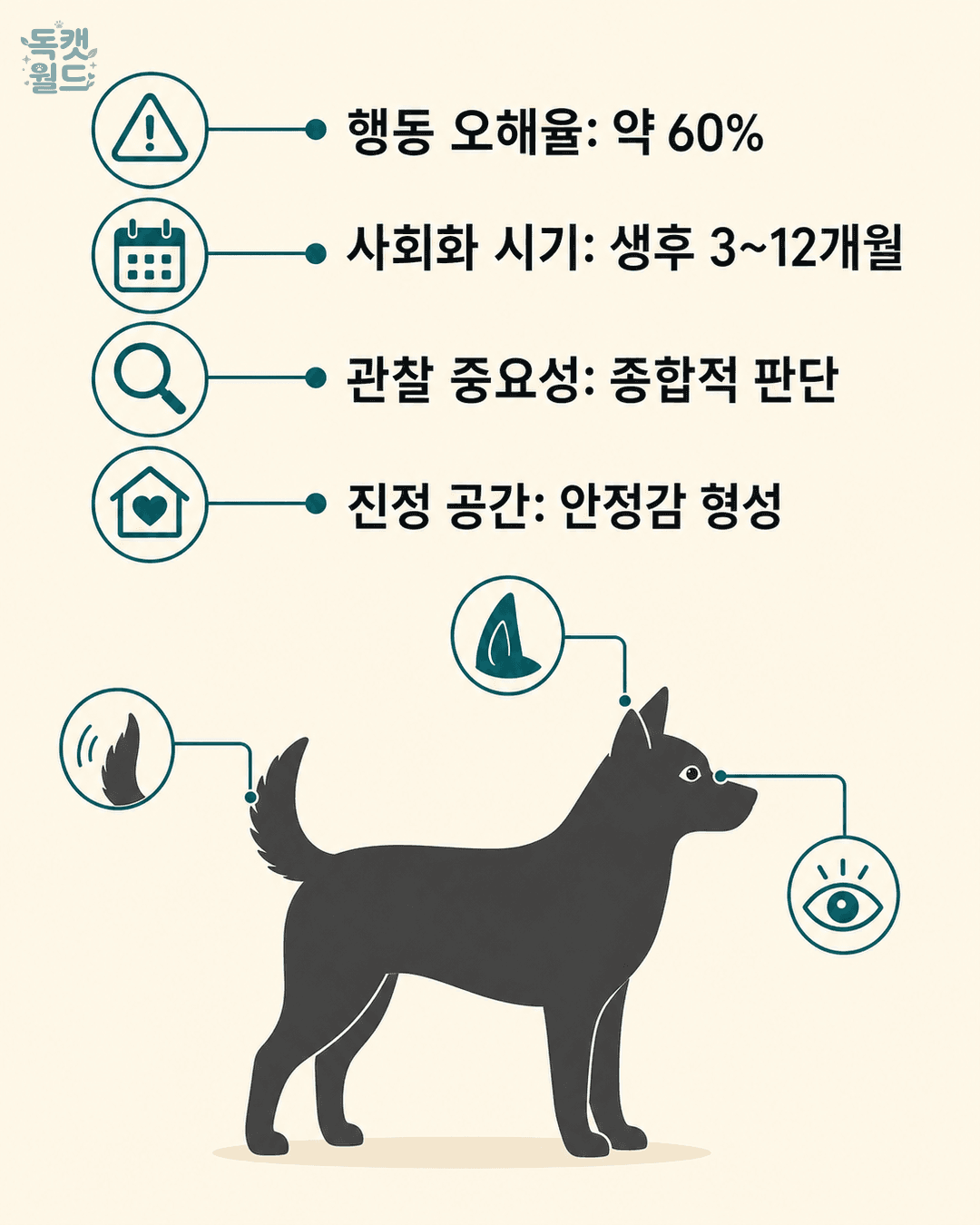
Dog body language is a unique language through which dogs express their feelings with their entire body instead of words. Have you ever wondered what your lovely dog is trying to tell you? By understanding their subtle gestures, such as their tail, ears, eyes, and posture, you can build a deeper bond with your canine companion and effectively reduce behavioral issues caused by misunderstandings. Veterinary experts emphasize that the better pet parents understand dog body language, the stronger their relationship with their dog becomes.

Care Guide
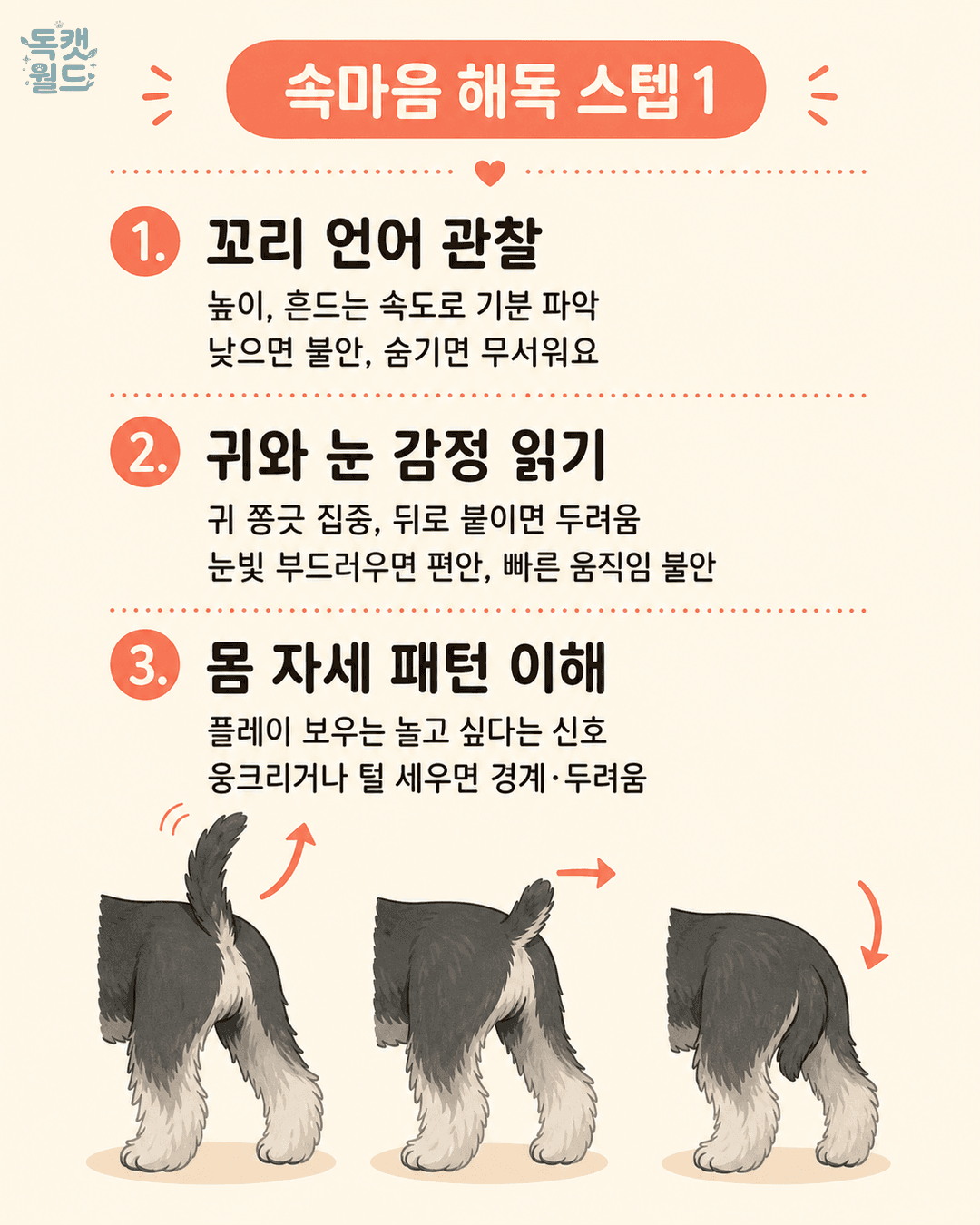
- 1Understand your dog's mood by observing their tail language.The tail is an important indicator of a dog's emotions. Their mood changes depending on the tail's direction, height, and wagging speed. A tail held high and wagging vigorously usually means they are happy or confident. However, if it wags low or is tucked between their legs, it indicates anxiety or fear. Veterinarians advise observing other body gestures and facial expressions along with the tail. Even a very fast wag can be a sign of excitement or anxiety, so careful observation is necessary.
- 2Read emotions through ears and eyes.The position of the ears and the look in the eyes clearly show a dog's focus and emotional state. Ears perked up mean they are concentrating on surrounding sounds, while ears flattened back can indicate fear. Relaxed eyes might blink softly or appear unfocused. Just as we look around when in an unfamiliar place, a dog's eyes can move rapidly when anxious. Staring too intently at a dog can be perceived as a threat and make them wary, so it should be avoided.
- 3Understand body posture and behavioral patterns.A dog's overall body posture comprehensively displays their confidence, fear, or desire to play. A 'play bow' (a soliciting play posture) with the body lowered and front paws extended is a clear sign they want to play. Conversely, cowering or raising their hackles can be a sign of fear or alertness. Veterinarily, raising hackles is a defensive posture and should be carefully observed as it could lead to aggressive behavior if the situation escalates. Showing their back or turning their body away might also be an act of showing respect or trying to calm down, so don't misunderstand it.
- 4Pay attention and respond to calming signals.Calming signals (behaviors dogs use to calm themselves when anxious) are important warnings dogs send when they are stressed. Yawning, licking their nose, turning their head away, and slow walking are typical calming signals. Just as people rub their hands or sweat when nervous, dogs try to calm themselves this way. If your dog shows these signals, it means they are uncomfortable or anxious, so it's good to provide a quiet space or change the situation. Ignoring these signals can increase your dog's anxiety, so careful observation is crucial.
Pro Tips
Your dog's body language can vary depending on the situation.
Pet parents should carefully observe and record their dog's tail position, ear direction, and eye gaze at fixed times, such as before and after walks or during meal times. This will help you more accurately identify your dog's unique signals and not miss subtle changes. Consistent observation is essential for communication with your dog.
Provide a safe space where your dog can retreat when feeling anxious or stressed (e.g., a kennel, a quiet corner with a cushion). Dogs can find psychological security in their own space and help themselves calm down. Such a comfortable environment plays a significant role in encouraging positive emotional expression from your dog and strengthening the bond with their pet parent.
Whenever your dog shows positive body language in response to your actions (e.g., relaxed tail wagging, soft eye contact), immediately praise them or offer a small treat. This is called positive reinforcement training (rewarding good behavior instantly). This method is very effective in helping your dog learn desirable communication methods and improving the bond with their pet parent.
Expose your dog to various people, dogs, and environments from a young age.
This is called socialization (getting used to meeting diverse people, dogs, and environments). Well-socialized dogs tend to display stable body language even in unfamiliar situations. Socialization is essential for dogs to perceive the world positively and express their emotions healthily without anxiety.