Understanding Your Dog's Place in the Family: What Does It Really Mean?
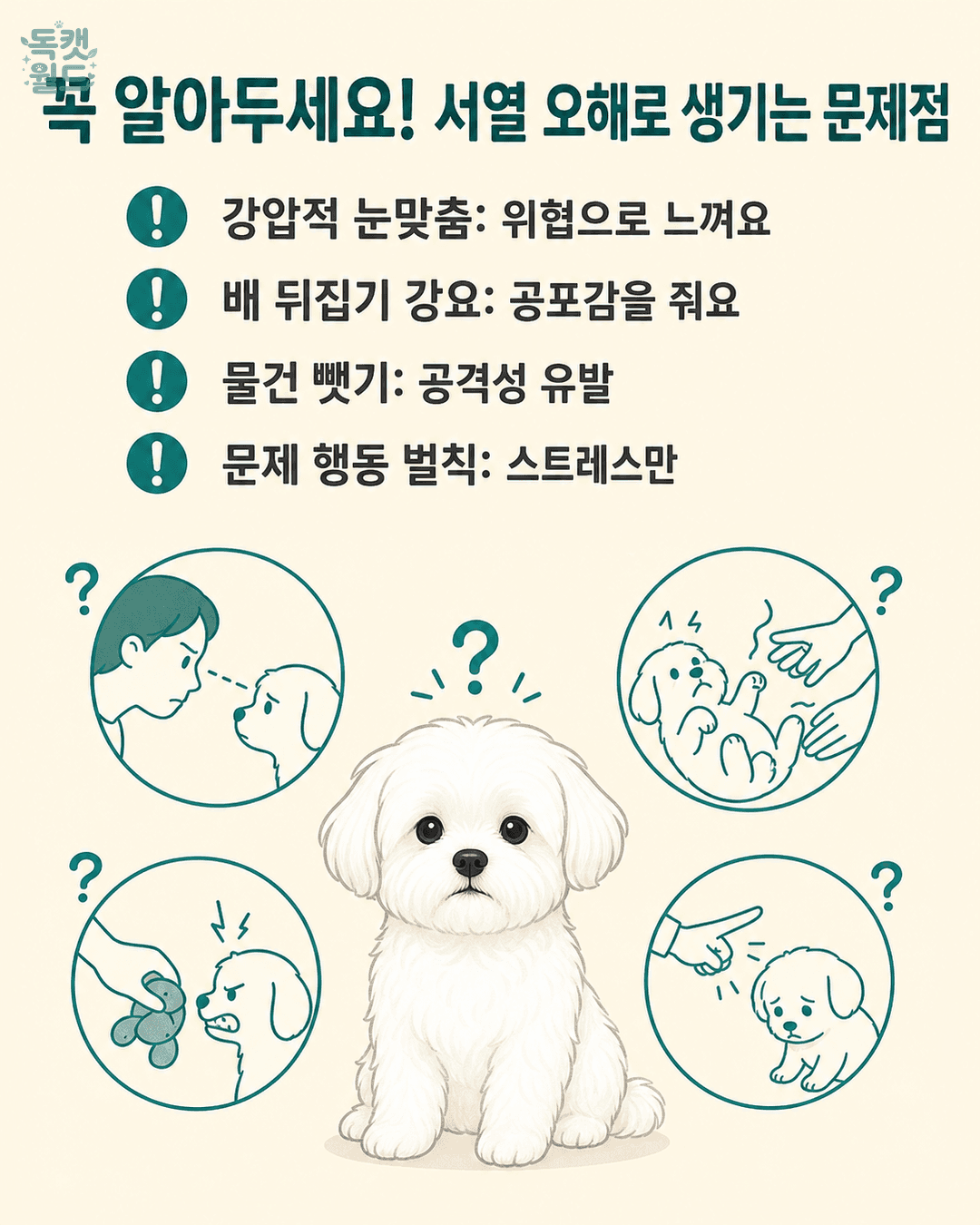
Dog hierarchy refers to the concept where pet guardians establish themselves as the leader in their relationship with their dog. However, recent veterinary behavior specialists state that while dogs perceive human families as a 'pack,' they desire stable, interdependent relationships rather than dominant-submissive ones. Forceful attempts to establish dominance cause significant anxiety and stress for dogs. Instead, what's truly essential for a dog's happiness and stability is building trust and a consistent relationship with their guardian. In this article, we will provide detailed methods for fostering a proper bond with your dog.

Care Guide
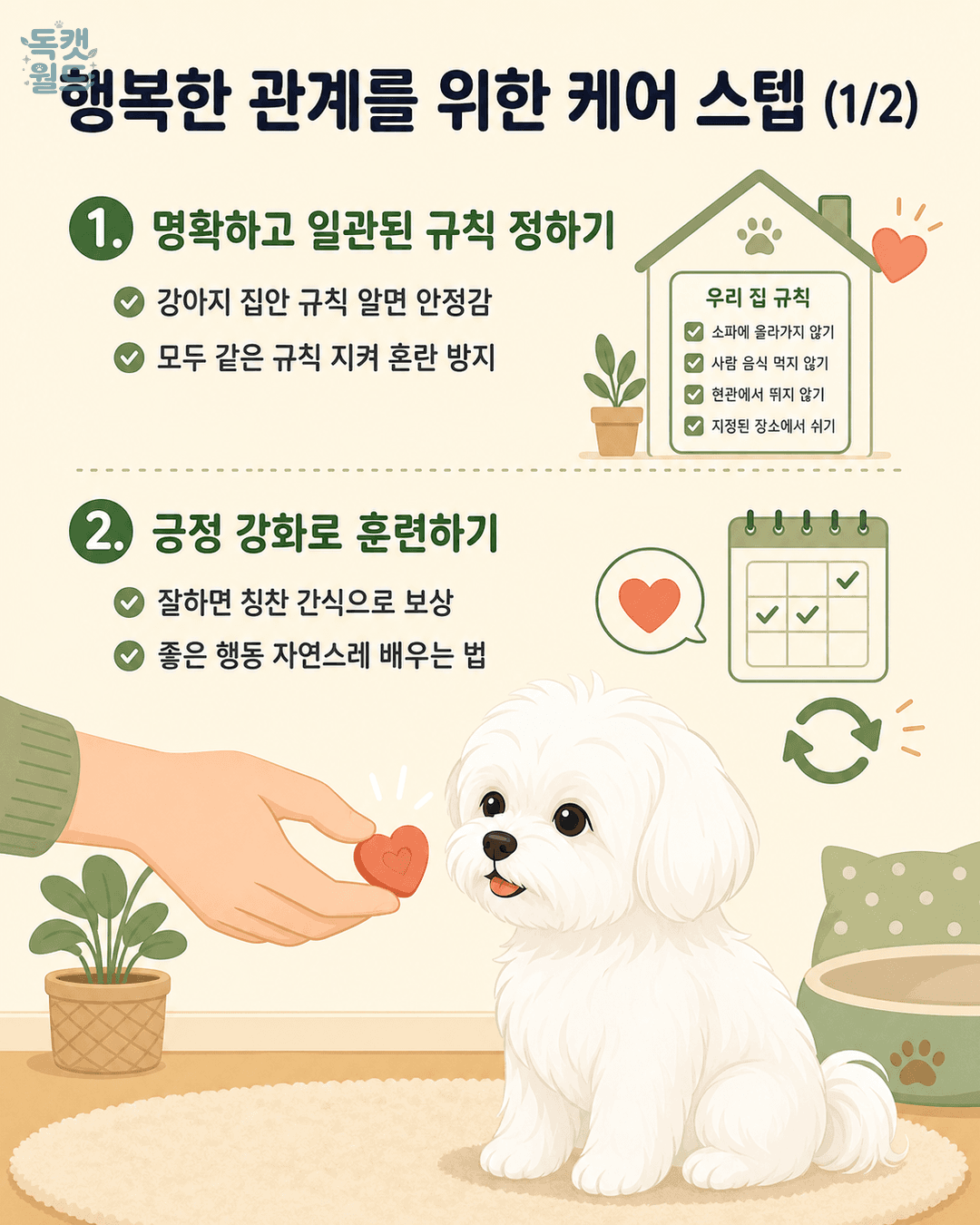
- 1Establish Clear and Consistent Rules.Dogs feel secure when they clearly understand household rules. Always teach them consistently what behaviors are acceptable and unacceptable. For example, all family members must adhere to the same rule regarding whether or not the dog is allowed on the sofa. Lack of consistency can confuse and stress your dog. Establishing rules and ensuring everyone follows them is paramount. Don't forget to praise your dog immediately when they perform the correct behavior.
- 2Train with Positive Reinforcement.When your dog does something well, praise them immediately and reward them with treats or petting. This is positive reinforcement (training by praising immediately for good behavior). Dogs easily learn what to do through positive experiences and feel a stronger bond with their guardian. Rather than scolding or punishing, it is much more effective to encourage good behavior and praise it. Teach them warmly, just as you would praise a young child for doing well.
- 3Provide Plenty of Play and Exercise.Dogs absolutely need physical activity and mental stimulation. Take them for daily walks and play with them to help them expend energy. Activities like nose work (exploratory play using their nose) or puzzle toys, in particular, engage your dog's brain and help relieve stress. If they don't get enough energy release, dogs can feel frustrated and exhibit problem behaviors. It's just like how we might relieve frustration through exercise.
- 4A Safe and Comfortable Space for Your Dog.Your dog absolutely needs their own space where they can comfortably rest anytime. Provide them with their own bed, cushion, or crate (dog-specific carrier), and ensure they are never disturbed in that area. This space becomes a safe sanctuary where your dog can retreat when feeling stressed. Dogs with their own space feel less anxious and are more stable. Let your dog know that this is their safest haven.
Pro Tips
By thoroughly understanding and observing your dog's calming signals (behaviors they use to calm themselves when anxious), you can understand what they are feeling. Recognizing early signs such as flattening their ears, yawning, or licking their nose and responding appropriately can reduce your dog's anxiety and prevent unnecessary problem behaviors. It is the guardian's role to understand their dog's 'communication'.
Try interacting with your dog by giving them 'choices'.
This could include letting them choose one of two paths during a walk, or asking them to 'sit' before giving a treat, then allowing them to eat it independently. These small choices significantly help your dog feel more confident and build a stronger bond of trust with you. Giving your dog opportunities to make their own decisions is very important.
Socialization (getting accustomed to various people, dogs, and environments) should be a lifelong process. It's not just necessary for puppies. Even as adult dogs, allow them to experience various people, other dogs, new sounds, and places in a safe environment. Consistent socialization helps reduce your dog's apprehension towards new situations and encourages them to behave calmly in any environment. It's just like how humans might look around cautiously in an unfamiliar place.
Dogs feel secure in a predictable daily routine.
A regular schedule for meals, walks, and sleep significantly reduces your dog's anxiety. A consistent routine provides your dog with predictability, "This is what will happen next," which is essential for increasing their psychological stability and happiness. It's just like how humans find comfort in a consistent daily plan.