Dog Vomiting — A Complete Guide to Distinguishing What to Monitor at Home vs. When to Seek Immediate Veterinary Care
Dog vomiting is one of the most common health issues pet parents encounter. However, it's not easy to distinguish between vomiting due to simple indigestion and a precursor to a serious, life-threatening illness. This article provides a practical guide that clearly differentiates between situations where dog vomiting can be 'monitored at home' and 'emergency situations' requiring immediate veterinary care. Dog vomiting can arise from various causes beyond just an upset stomach, including intestinal obstruction, poisoning, pancreatitis, kidney failure, and liver failure. A pet parent's careful observation and quick judgment play a crucial role in protecting our dog's health. Join Dokkaet, a professional pet editor, to learn everything about dog vomiting and how to respond wisely.

Care Guide
- 1If your dog has vomited, it's crucial to observe and record the vomit's color,contents (food, water, foam, blood, etc.), consistency, and frequency as accurately as possible. For example, you should check if it contains undigested kibble, yellow bile, clear foam, or red blood/coffee-ground material. Additionally, it's important to closely monitor your dog's vitality, appetite, and behavioral changes before and after vomiting (e.g., lethargy, signs of abdominal pain, hiding). This information provides crucial clues for your veterinarian to identify the cause and make an accurate diagnosis. If possible, take a photo of the vomit or collect a small sample in a clean container to bring to the vet.
- 2If your dog is vomiting, the general initial response is to fast them for about6-12 hours to allow their stomach to rest. Especially right after vomiting, it's best to offer water restrictively in small amounts or temporarily withhold it to give the stomach time to settle. Drinking too much water too quickly can trigger further vomiting. If there's no vomiting after the fasting period, first offer a small amount of water, and then gradually introduce small, frequent portions of easily digestible, bland food (e.g., boiled chicken breast, plain white rice porridge, veterinary gastrointestinal diet). Be careful not to give a large amount at once, as this can burden the stomach and cause vomiting again.
- 3Dog vomiting often occurs due to the ingestion of inappropriate food or foreignobjects. Therefore, inspect your home environment and store or remove all items that could be ingested by your dog and are harmful, such as toxic foods (chocolate, grapes, onions, garlic, avocado, etc.), toxic plants, medications, cleaning products, small toy pieces, socks, or bones, keeping them out of your dog's reach. Especially curious and explorative dogs may rummage through trash cans or pick up fallen items from the floor. Thus, it's important to use trash cans with lids and keep floors consistently clean. During walks, be extra careful to prevent your dog from eating grass or food found on the street, and consider preventive measures like keeping the leash short or using a muzzle.
- 4If vomiting is not merely due to simple indigestion, it could be a sign ofanother serious illness. If vomiting is accompanied by any of the following symptoms, you must visit a veterinary hospital immediately: diarrhea, loss of appetite, lethargy, fever, abdominal pain, abdominal distension, changes in gum color (pale or yellow), stumbling, seizures, or altered consciousness. Especially in cases of repeated vomiting, vomiting mixed with blood (fresh blood or coffee-ground material), if your dog expresses extreme pain, or if vomiting persists for more than 24 hours, it should be considered an emergency, and you must seek veterinary examination without delay. In such cases, any delay could endanger your dog's life.
- 5Repeated vomiting can disrupt your dog's body fluid and electrolyte balance,leading to severe dehydration, which is very dangerous for their health. Signs of dehydration include sticky or dry gums, decreased skin elasticity (when the skin on the scruff of the neck is gently pulled up and takes a long time to return to its original position), sunken eyes, and lethargy. If your dog cannot stop vomiting and therefore cannot drink water, or vomits soon after drinking, the dehydration will progress rapidly, making the situation even more critical. In such cases, you can try giving small amounts of water with a syringe or dropper, or encourage water intake by letting them lick ice cubes. However, if dehydration is already severe, oral intake alone is insufficient, and immediate intravenous fluid therapy at the veterinary hospital is necessary.

Pro Tips
Sharing detailed information about your dog's vomiting, especially the color, form, and contents of the vomit, along with clear photos or videos taken with a smartphone, provides crucial clues for diagnosis. Visual confirmation of foreign objects, the appearance of blood, or changes in bile color, which might be missed with verbal descriptions alone, significantly helps your veterinarian accurately identify the cause and shorten diagnosis time. This can reduce unnecessary vet visits while helping you decide on prompt veterinary care when needed, potentially saving your dog's life.
Parasitic infections are one of the common causes of dog vomiting.
Gastrointestinal parasites, such as roundworms and hookworms, can cause digestive symptoms. It's important to consult your veterinarian to establish a regular deworming schedule appropriate for your dog's living environment (indoor/outdoor activity, contact with other animals) and activity level. Additionally, receiving regular annual health check-ups (blood tests, urine tests, imaging tests, etc.) to detect and manage potential diseases that can cause vomiting (e.g., kidney, liver, pancreatic diseases, gastrointestinal tumors) is the most effective way to prevent serious situations from developing.
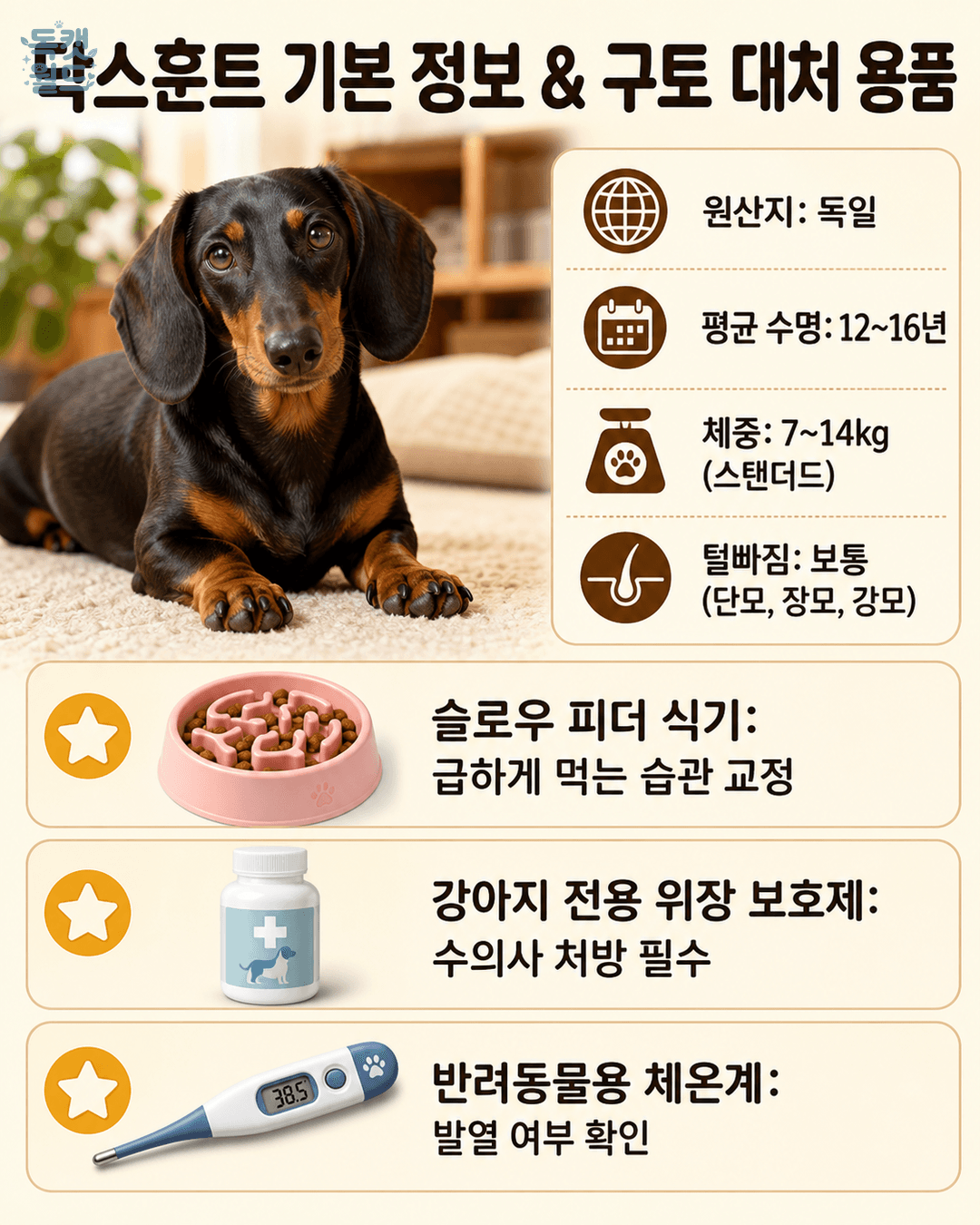
Eating too quickly or overeating can put a strain on your dog's stomach and cause vomiting. To correct this, try switching to a slow feeder bowl or dividing their daily food portion into several smaller meals to manage their fast eating habits. It's also important to identify and avoid specific ingredients that may cause allergies or indigestion in your dog. When introducing new food or treats, use a 'gradual diet transition' method, mixing it slowly with their current diet over a week or more. This minimizes gastrointestinal upset and helps them adapt healthily.
Like humans, dogs can also experience digestive symptoms, particularly vomiting or diarrhea, when stressed. Causes can include environmental changes (moving, new family members), encounters with unfamiliar people or animals, separation anxiety, grooming, or vet visits. It's important to recognize your dog's stress signals (e.g., yawning, lip licking, body shakes, barking), provide a stable environment, and help them relieve stress through sufficient physical activity and mental stimulation (e.g., walks, playtime, nose work). If needed, consulting a pet behavior specialist to try stress management and behavior modification programs is also a good approach.
For mild vomiting due to indigestion, supportive medications like anti-emetics or gastroprotectants may be helpful. However, these medications should never be administered arbitrarily without an accurate diagnosis from a veterinarian. The causes of vomiting are diverse, and incorrect medication can worsen symptoms or make diagnosis more difficult. Always consult your veterinarian to get emergency medications prescribed for your dog and understand the proper usage and exact dosage. Additionally, it's important to check the medication's expiration date and adhere to correct storage methods.