Dogs Can Die if They Eat Grapes — 10 Foods You Must Never Feed Your Dog
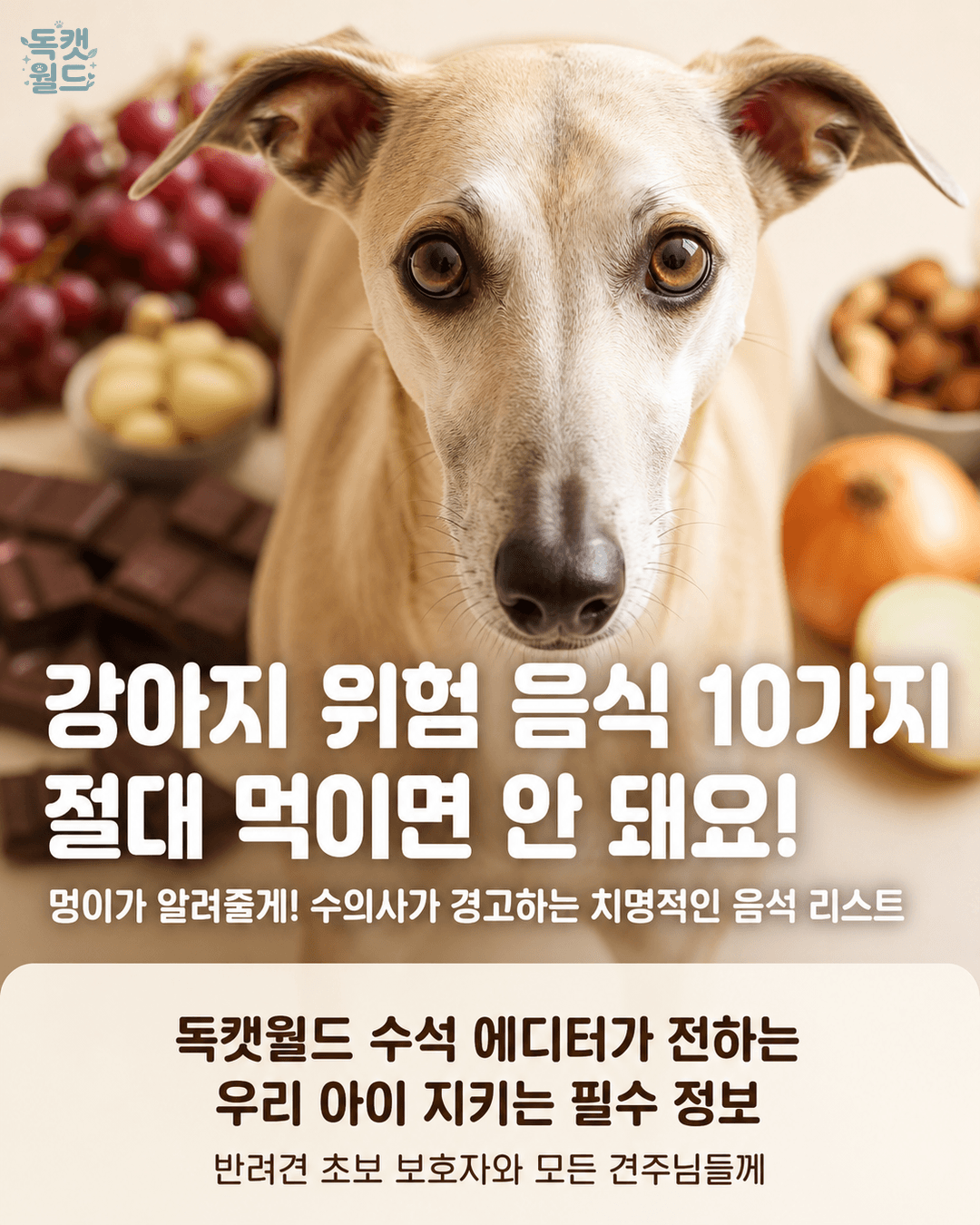
Ten foods, including grapes, chocolate, and xylitol, can cause fatal toxicity in dogs and should never be fed to them. Even small amounts can lead to severe health problems such as acute kidney failure, hypoglycemia, and organ damage, making extreme caution and prevention by pet parents essential. For a happy companionship with your pet, a healthy and safe diet is paramount. However, many pet parents unintentionally share human food with their dogs or are unaware of which foods are dangerous, leading to unfortunate accidents. In this article, we've selected 10 common 'absolutely forbidden' foods that can threaten your dog's life, detailing the risks and symptoms each food can cause, along with specific prevention and response methods to protect your dog from danger. Based on veterinary evidence and real-world experience, the information provided by editor Dogcat will help you become a wise pet parent, ensuring your beloved companion lives a long, healthy, and happy life. Dogcat World prioritizes the health of your precious canine companion.
Care Guide
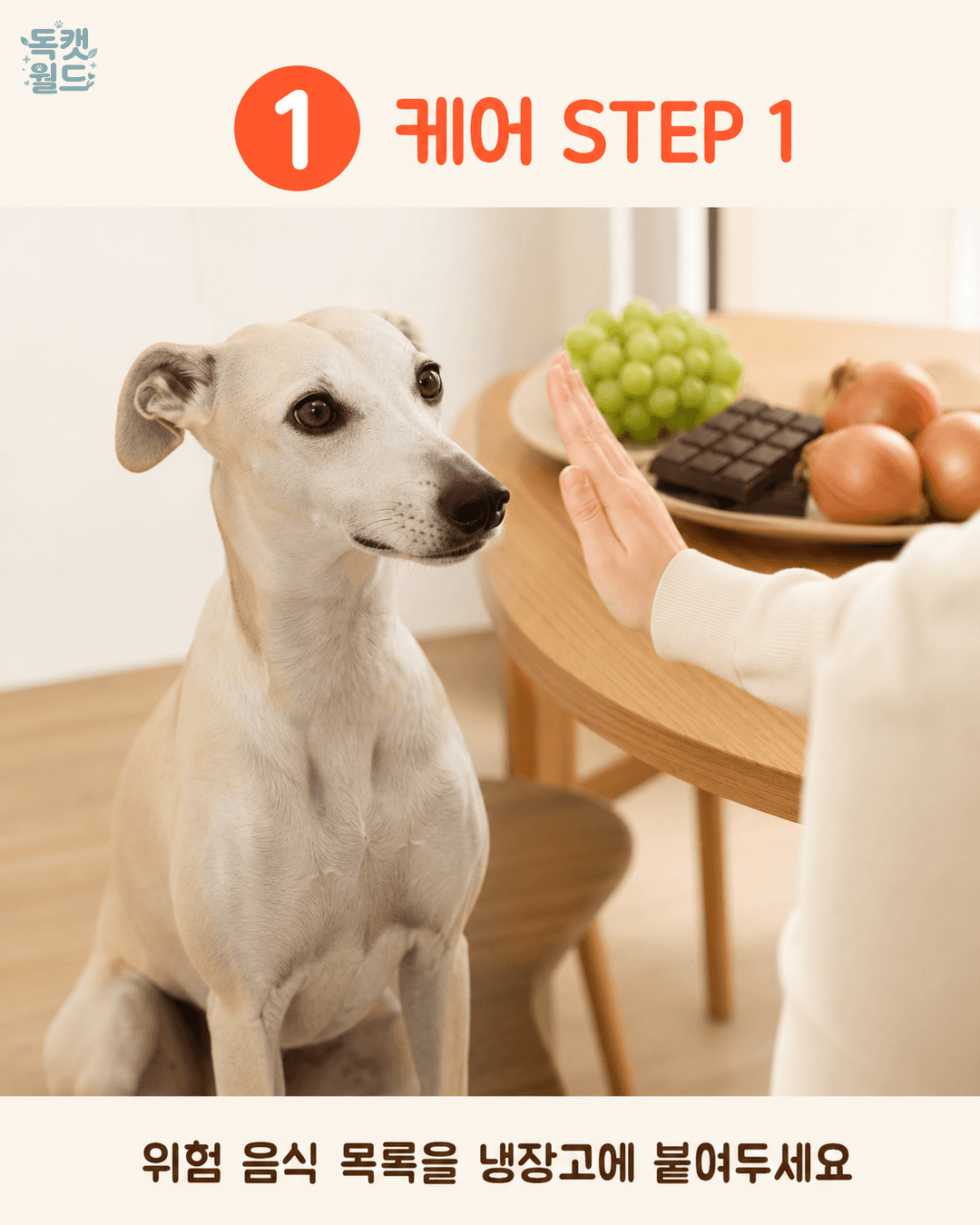
- 1Create a Safe Eating Environment for Your Dog It is paramount to create anenvironment within your dog's living space where they cannot easily access dangerous foods. You should establish a habit of installing gates or closing doors to prevent your dog from accessing the kitchen or dining table. Additionally, use a trash can with a lid that your dog cannot open, and dispose of food waste immediately. When people are eating, it's advisable to either separate your dog or keep them on a leash for control. It's also important to train them from the start not to eat dropped food during meals. These small efforts serve as a significant shield, protecting your dog from unexpected dangers.
- 2Educate Family and Visitors About Dangerous Foods It is essential to clearlyinform family members or guests, who might unknowingly offer dangerous foods out of love for your dog, about the list of foods harmful to dogs. Children, in particular, tend to share anything with pets, so it's effective to explain which foods dogs should not eat using pictures. It's a good idea to keep a prepared list of harmful foods on the refrigerator door or ask visitors not to give your dog anything other than dog treats. Your dog's safety is ensured only when everyone knows and follows the rules.
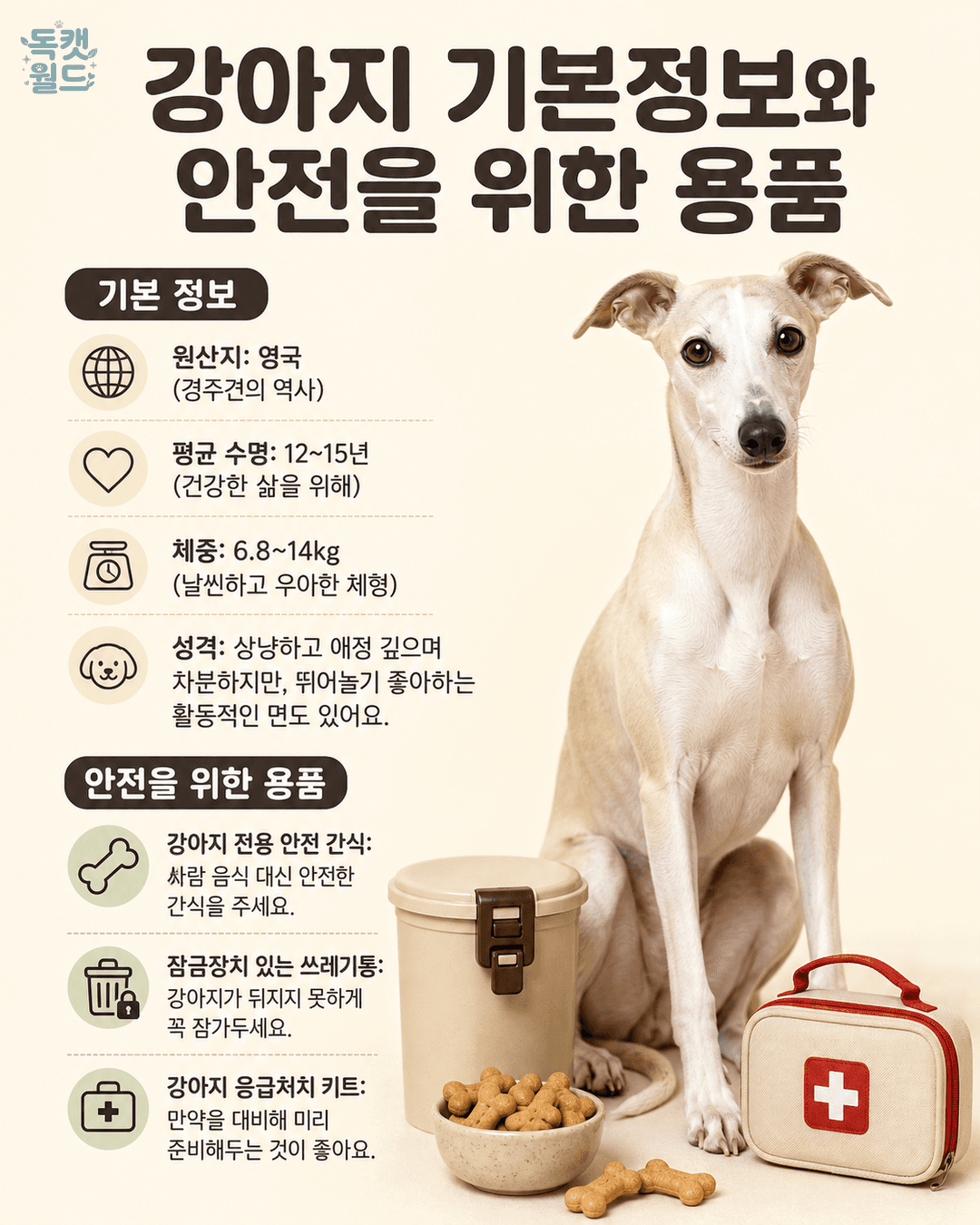
- 3Provide Only Dog-Specific Treats When you want to give your dog a treat, youmust only provide treats specifically made for dogs. Human food not only differs in nutritional content required by dogs but also contains spices or additives that can burden a dog's digestive system. Even among commercially available dog treats, it's important to carefully check the ingredient list and select products suitable for your dog's age and health condition. Excessive treats can lead to obesity, so adjust the serving size according to their daily food intake and focus on building a positive relationship through treats.
- 4Develop Immediate Response Skills in Case of Emergency No matter how careful youare, accidents can happen at any time. If your dog ingests harmful food, it is crucial to be prepared to act immediately. Always know the contact information and location of 24-hour veterinary clinics in advance, and have emergency vet information accessible for late nights or weekends. It is important to accurately identify what, how much, and when your dog ate, and then inform the veterinary clinic. Emergency procedures, such as inducing vomiting, should not be performed without a veterinarian's instruction. Arriving at the clinic quickly for professional treatment is the only way to save a life.
Pro Tips
Various processed foods sold in stores often contain surprisingly many ingredients harmful to dogs. Specifically, diet foods or sugar-free products are likely to contain xylitol, and processed meat products may use onion powder or garlic powder. Therefore, if you intend to give your dog human food (though not recommended), you must develop the habit of meticulously checking ingredient names and nutrition labels. If there are any suspicious ingredients, it is safest not to give even a small amount, and the best method is to stick exclusively to dog-specific treats.
Beyond general dangerous foods, dogs may react more sensitively to certain foods depending on their health condition or allergies. It is advisable to personally compile a list of foods that might be particularly dangerous for your dog and share it with all family members and anyone caring for your dog. For example, if your dog has shown an allergic reaction to a specific vegetable, include that vegetable on the list. Such a customized list provides concrete guidelines for your dog's safety and can effectively reduce unexpected accidents.
Training your dog with 'Stay' and 'Leave it' commands is a highly effective way to prevent the ingestion of harmful foods. 'Stay' teaches your dog to wait for your permission even with food in front of them, while 'Leave it' instructs your dog to immediately stop trying to mouth a dangerous object or food. This training goes beyond simple obedience; it becomes a vital skill that controls your dog's impulsive behavior and can save their life in dangerous situations. Consistent, repetitive training is crucial for perfect mastery.
Prevention is the best approach for your dog's health.
Regular health check-ups are important to understand your dog's baseline health and detect potential health issues early. Furthermore, if you plan to introduce any new food to your dog, you must first consult with a veterinarian to confirm its safety. A veterinarian can provide individualized advice considering your dog's breed, age, and health status, and offer proper diet management and nutritional information to help your dog live a healthy life.