What Human Foods Can and Cannot Be Given to Pets — A Complete Comparison Chart
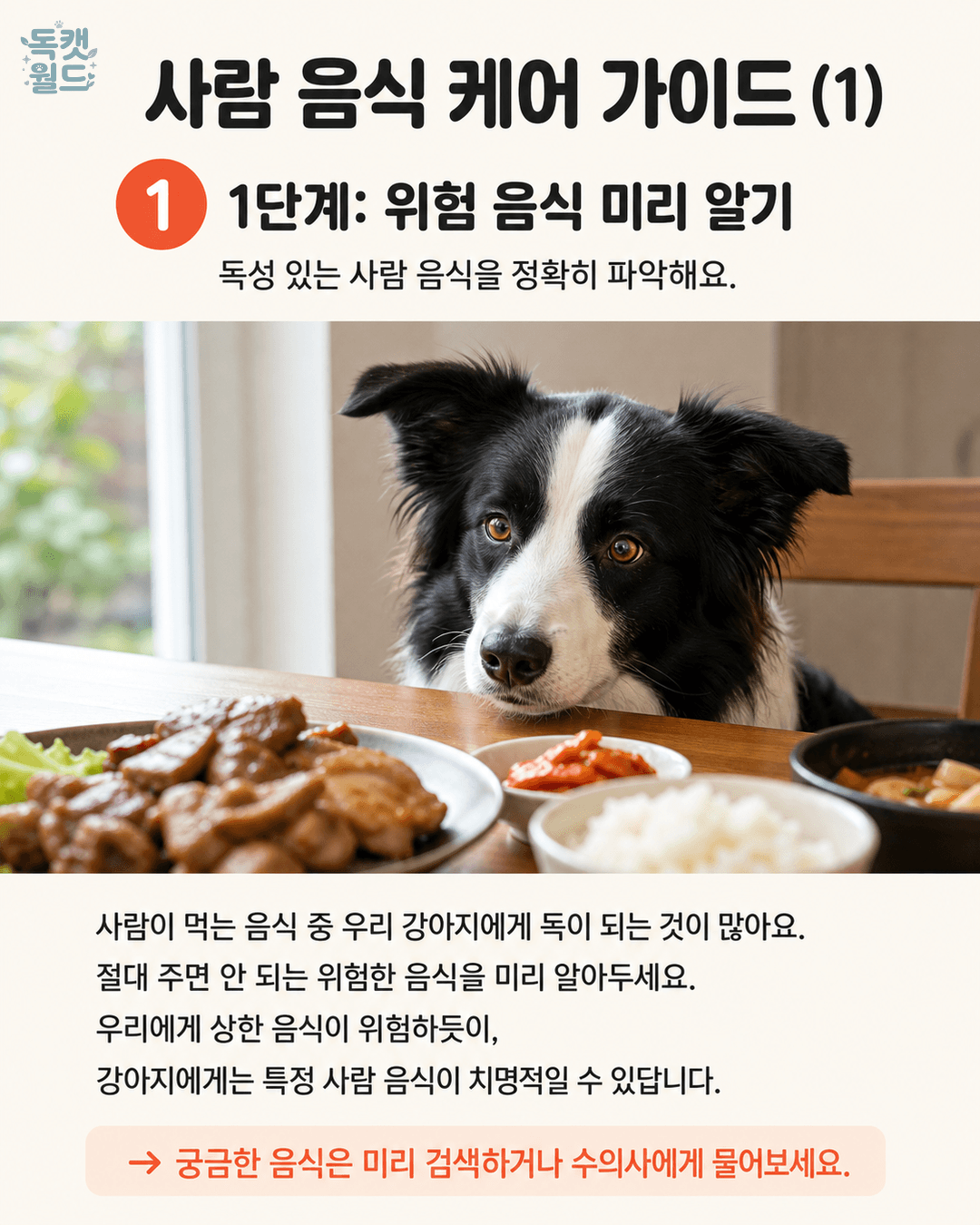
Your beloved pet looks at the dining table with loving eyes. Have you ever wondered if it's okay to share a little bit of human food with them? A small gesture from a pet guardian can sometimes lead to fatal consequences for our furry friends' health. As the Senior Editor of Dogcat World Magazine, dedicated to pet health, I hope that guardians can continue their happy companionship with peace of mind through accurate information about human foods. This comprehensive guide, based on veterinary evidence, provides detailed information on dangerous foods that should never be given to pets, safe alternatives that can be given in moderation, and how to respond in emergency situations.
Care Guide
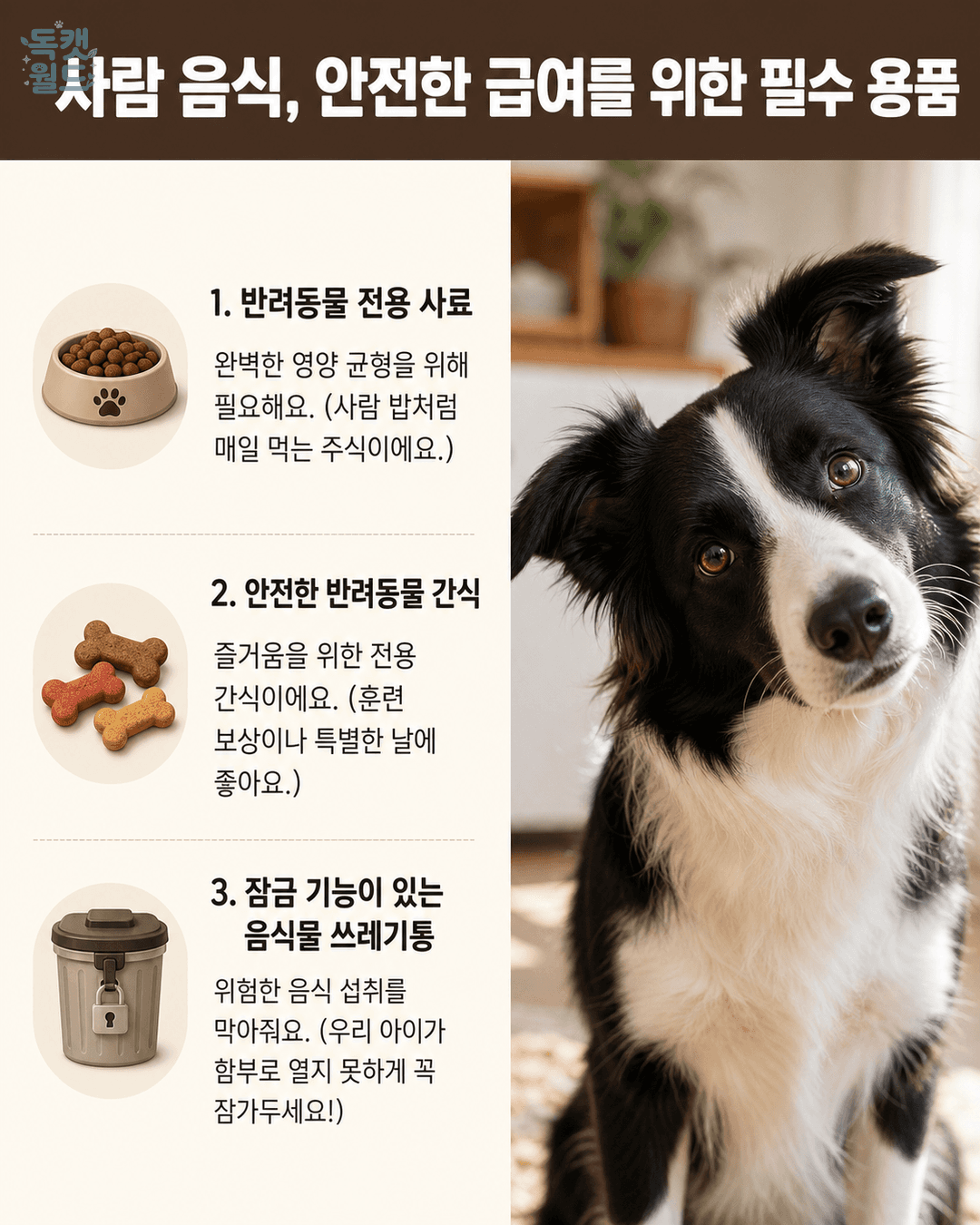
- 1It is safest and most important to feed your pet a nutritionally balanced,pet-specific main food and to choose pet-specific treats as well. Human food may have different nutrient ratios than what pets need or may contain ingredients that are fatal even in small amounts. Especially for pets with allergies or sensitive digestive systems, human food can cause greater problems. When choosing dedicated food and treats, consider your pet's health condition, age, and activity level, and limit treats to no more than 10% of their daily recommended calories to prevent obesity.
- 2To prevent accidents where pets might curiously sneak and ingest human food, allhuman food should be safely stored out of your pet's reach. It is wise to keep high-risk foods such as chocolate, grapes, onions, and xylitol-containing products on countertops or in locked cabinets. Use a sturdy trash can that pets cannot easily open, and make it a habit to seal and dispose of food waste immediately. Always remember that even a small food scrap can pose a significant danger to your pet.
- 3Even if your pet gives you pitiful glances during family meals, it is crucialnever to make a habit of sharing food from the table. This not only increases the possibility of ingesting dangerous foods but also reinforces begging behavior, which can lead to bad eating habits or behavioral problems. Instead, during meal times, provide your pet with a dedicated toy or a safe treat to divert their attention, or train them to stay in their designated spot. Apply consistent rules to educate your pet not to expect human food.
- 4If you suspect your pet has ingested a toxic substance, you must immediatelycontact your veterinarian or visit an emergency veterinary hospital. To do this, it is important to have the contact information for your regular vet and a nearby 24-hour emergency vet readily available, so you can go there immediately in an emergency. When going to the vet, provide as much detailed information as possible, such as what food was ingested, how much, and when. Inducing vomiting or administering medication without veterinary instruction before arriving at the clinic can worsen the pet's condition, so you must strictly follow the veterinarian's guidance.
- 5If you wish to give your pet a special treat, making homemade treats with safeingredients is a good alternative to commercial products. For example, you can boil unsalted chicken breast and shred it into small pieces, or give small amounts of boiled pumpkin, sweet potato, or broccoli. When doing so, absolutely no seasoning should be added, and all toxic parts such as seeds or peels must be completely removed. When introducing new ingredients, it's crucial to offer only a small amount first to check for allergic reactions or digestive upset. Homemade treats made with healthy, fresh ingredients can be a wonderful way to express a guardian's love.
Pro Tips
Many processed human foods contain ingredients harmful to pets (e.g., xylitol, artificial sweeteners, excessive sodium). Therefore, it's important to make it a habit to carefully check the ingredient labels of all processed foods, even those consumed by family members, to identify any dangerous ingredients if your pet has access to them. Pay extra close attention to 'sugar-free' or 'light' products, as they often contain alternative sweeteners like xylitol.
Pet nutrition management can vary depending on individual health status, age, breed, and activity level. Therefore, consulting with your veterinarian about your pet's diet during regular health check-ups and asking about the safety of any human foods you might want to give is the most accurate and safest approach. Your veterinarian can provide the most appropriate advice based on your pet's health records and help prevent potential risks in advance.
Some human foods, while not toxic, can cause allergic reactions or digestive upset in certain pets. When introducing a new food, even in small amounts, it is essential to observe your pet carefully for 24-48 hours afterwards for any signs of allergic reactions such as vomiting, diarrhea, itching, skin rashes, or ear inflammation. If abnormal symptoms are detected, stop feeding the food immediately and consult your veterinarian to identify the cause and receive appropriate treatment.
If it is confirmed that your pet has ingested a toxic substance, not missing the 'golden hour' is crucial for saving their life. First, calmly identify the type and amount of the substance ingested, and the time of ingestion. Then, immediately contact your veterinarian and follow their instructions. At this time, inducing vomiting or administering medication without professional guidance is strictly forbidden, as it can worsen the situation. Observe your pet's condition closely while en route to the vet and relay all details upon arrival.
If you want to give human food to your pet but hesitate due to potential risks, consider using safe and healthy alternative treats. For example, small amounts of unsalted fresh vegetables (carrots, cucumbers, cabbage, etc.), fruits (apples with seeds removed, small amounts of banana), or unsweetened plain yogurt may be acceptable. However, these should only be offered as treats, without disrupting the balance of their main diet, and you should always monitor for allergic reactions. Commercial healthy treats like pet-friendly vegetable sticks or fruit purees are also good options.