Canine Patellar Luxation Stage 4 — What Small Breed Owners Must Know
Have you ever heard a clicking sound from your beloved small breed dog's hind leg, or noticed an uncomfortable gait? Canine patellar luxation, a condition that small breed owners have likely heard of, is more than just a sore leg; it's a disease that significantly impacts your pet's overall quality of life. Specifically, patellar luxation can progress from Stage 1 to Stage 4, and as the stages advance, your pet will experience severe pain and limitations in activity. This article aims to provide a comprehensive understanding of canine patellar luxation Stage 4 and offers detailed, veterinary-backed management strategies and prevention tips that small breed owners can implement at home. Shall we embark on a journey with Dokkaetworld to protect your pet's healthy and active joint health, starting now?
Care Guide
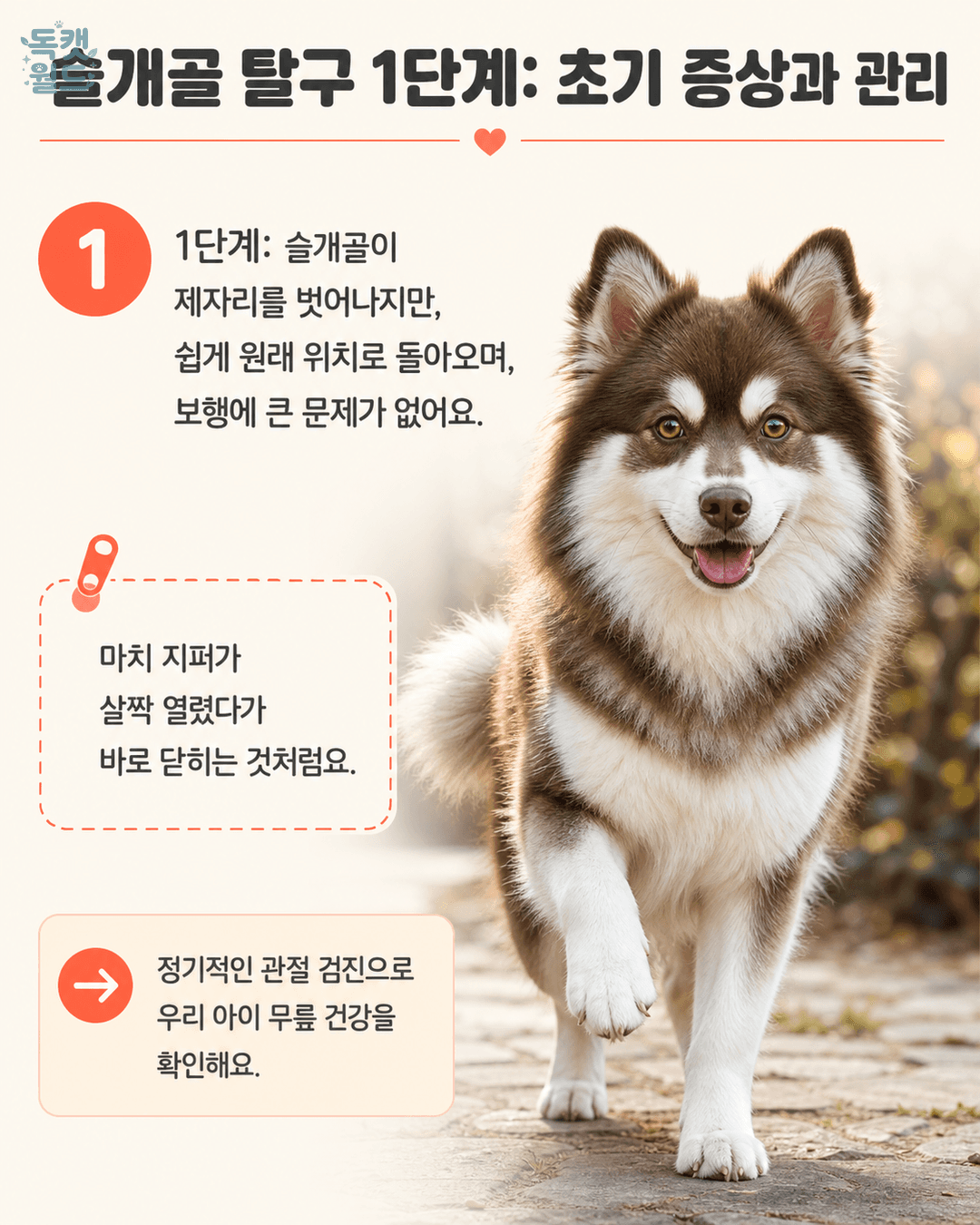
- 1Regular health check-ups and early diagnosis are crucial to not miss early signsof patellar luxation. Small breeds, in particular, should have their knee joints examined by a veterinarian once a year, starting from 6 months of age. The veterinarian will palpate the dog's hind legs to check patellar movement and, if necessary, accurately diagnose any structural abnormalities of the joint through X-rays. Early diagnosis is a key factor in slowing the progression of the disease and achieving a good prognosis with non-surgical management or minimal surgical intervention. If your dog shows any signs of limping, you should visit the vet immediately.
- 2Maintaining your dog's appropriate weight is the most fundamental aspect ofpatellar luxation prevention and management. Overweight or obese dogs experience increased strain on their knee joints, raising the risk of patellar luxation and potentially worsening symptoms if luxation is already present. Consult with your veterinarian to establish an ideal weight goal suitable for your dog's age, breed, and activity level, and manage weight by feeding high-quality food in appropriate amounts and ensuring regular exercise. Minimize unnecessary high-calorie treats, and if necessary, feeding weight-loss specific dog food is also a good option.
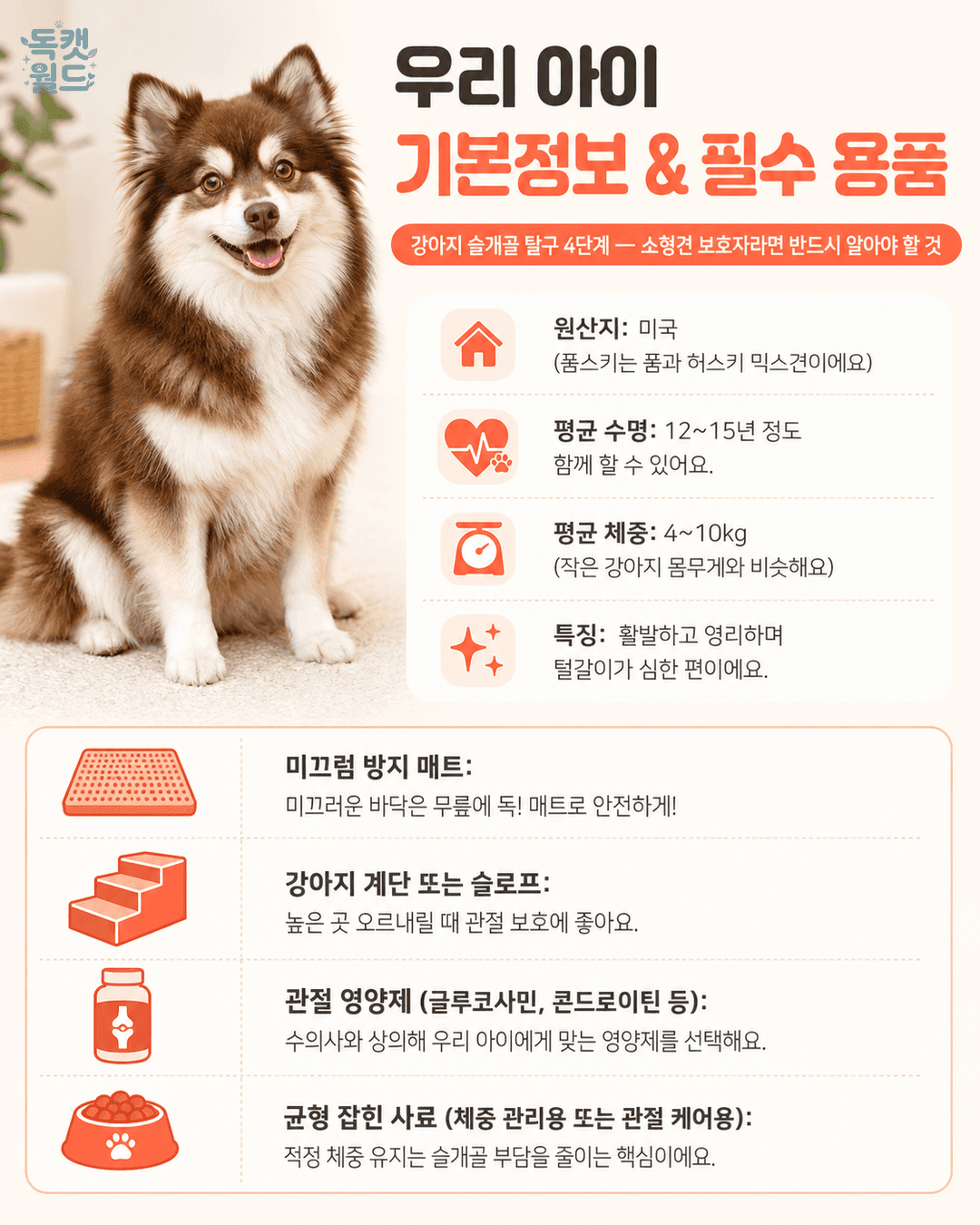
- 3Creating an anti-slip indoor environment where your dog lives is extremelyimportant for preventing patellar luxation. Slippery hard floors can strain your dog's legs when they run or change direction, potentially causing or worsening patellar luxation. It's advisable to place anti-slip mats or use carpets in areas where your dog is most active, such as the living room and kitchen. Additionally, jumping down from high places like sofas or beds can put significant impact on the knee joints, so install dog ramps or stairs to help them ascend and descend safely. Keeping nails short and trimming paw pad hair to reduce slippage also helps.
- 4Appropriate exercise that strengthens the muscles around the patella iseffective in increasing joint stability, thereby preventing and managing patellar luxation. Daily walks of about 20-30 minutes help maintain basic muscle strength, and walking or light jogging on flat ground is recommended. Avoid excessive jumping, climbing stairs, and abrupt changes in direction on slippery surfaces. Swimming is an excellent exercise that strengthens muscles without putting strain on the joints, and considering a professional rehabilitation program at a veterinary hospital can also be beneficial. However, if there is already pain, strenuous exercise should be avoided, and exercise intensity should be adjusted after consulting with a veterinarian.
- 5Administering nutritional supplements beneficial for joint health, such asglucosamine, chondroitin, MSM, and omega-3 fatty acids, can positively impact the prevention and management of patellar luxation. These ingredients contribute to cartilage protection, reduction of joint inflammation, and promotion of joint fluid production, helping maintain joint health. However, not all supplements have the same effect on every dog, and it is essential to consult with a veterinarian to choose the appropriate product and dosage tailored to your dog's condition. Opting for veterinarian-recommended products from trusted manufacturers is safer than unverified ones.
- 6Carefully observe your dog's behavioral changes, and if you notice any suspectedsymptoms of patellar luxation, consult a veterinarian without delay. If your dog suddenly limps, walks with one leg raised, struggles to go up or down stairs, or shows pain when its hind legs are touched, patellar luxation may be suspected. These symptoms may appear intermittently at first but can gradually become more frequent and severe. The owner's careful observation and quick response play a critical role in reducing the dog's pain and preventing the progression of the disease. Never take symptoms lightly; always seek professional diagnosis.
Pro Tips
After a diagnosis of patellar luxation, it is crucial to establish a customized management plan for your dog through in-depth consultation with a veterinarian. Considering your dog's age, breed, activity level, stage of patellar luxation, and presence of co-existing conditions, the most appropriate method should be chosen between non-surgical management (weight control, environmental improvement, rehabilitation exercise, supplements) and surgical treatment. Clearly setting management goals and methods for each stage and regularly evaluating the condition to adjust the plan is essential for long-term health care.
Actively utilizing physical therapy and professional rehabilitation exercises is highly effective for patellar luxation prevention and post-surgical rehabilitation. Professional physical therapies such as underwater treadmills, laser therapy, massage, and stretching greatly help increase joint range of motion, alleviate pain, and strengthen surrounding muscles. This is not only a core component of non-surgical management but also plays a decisive role in speeding up post-surgical recovery and reducing the risk of recurrence. It must be performed under the guidance of a specialized rehabilitation hospital or a veterinarian.
When deciding on surgical treatment, it is important to carefully consider various factors beyond simply 'to operate or not to operate.' A comprehensive assessment should include the dog's current pain level, luxation stage, presence of accompanying arthritis or cruciate ligament damage, the dog's age and overall health, and the owner's financial and time constraints. It is crucial to fully understand the expected recovery process, potential complications, and the need for continuous care even after surgery before making a decision. It is advisable to seek opinions from multiple veterinary hospitals and decide carefully.
Your dog's mental stability and stress management are as important as their physical health. Especially during patellar pain or post-surgical recovery, dogs may experience anxiety or depression. Owners should provide ample affection and attention to their dogs and ensure a stable environment. When activity levels decrease due to pain, help relieve stress by providing mental enrichment activities such as nose work or puzzle toys, in addition to walks. Positive interaction enhances your dog's recovery ability and improves their overall quality of life.
It is important to help your dog develop good posture habits from an early age, including standing, walking, and sitting correctly. Incorrect postures can place unnecessary strain on specific joints, potentially worsening patellar luxation. For instance, behaviors like standing on two legs or excessive jumping put significant stress on the knees and should be discouraged. Guiding proper posture through training and ensuring adequate rest to avoid joint strain are greatly beneficial for long-term joint health maintenance. Small daily habits can have a big impact on your dog's health.